Practical purchasing guidance
By MXPACKPRO team. Updated .
A material name alone does not establish food-contact suitability or environmental performance. Confirm the complete pack, intended food, use conditions and destination-market requirements.
Compare the complete construction
| Material / component | What to evaluate | What to request |
|---|---|---|
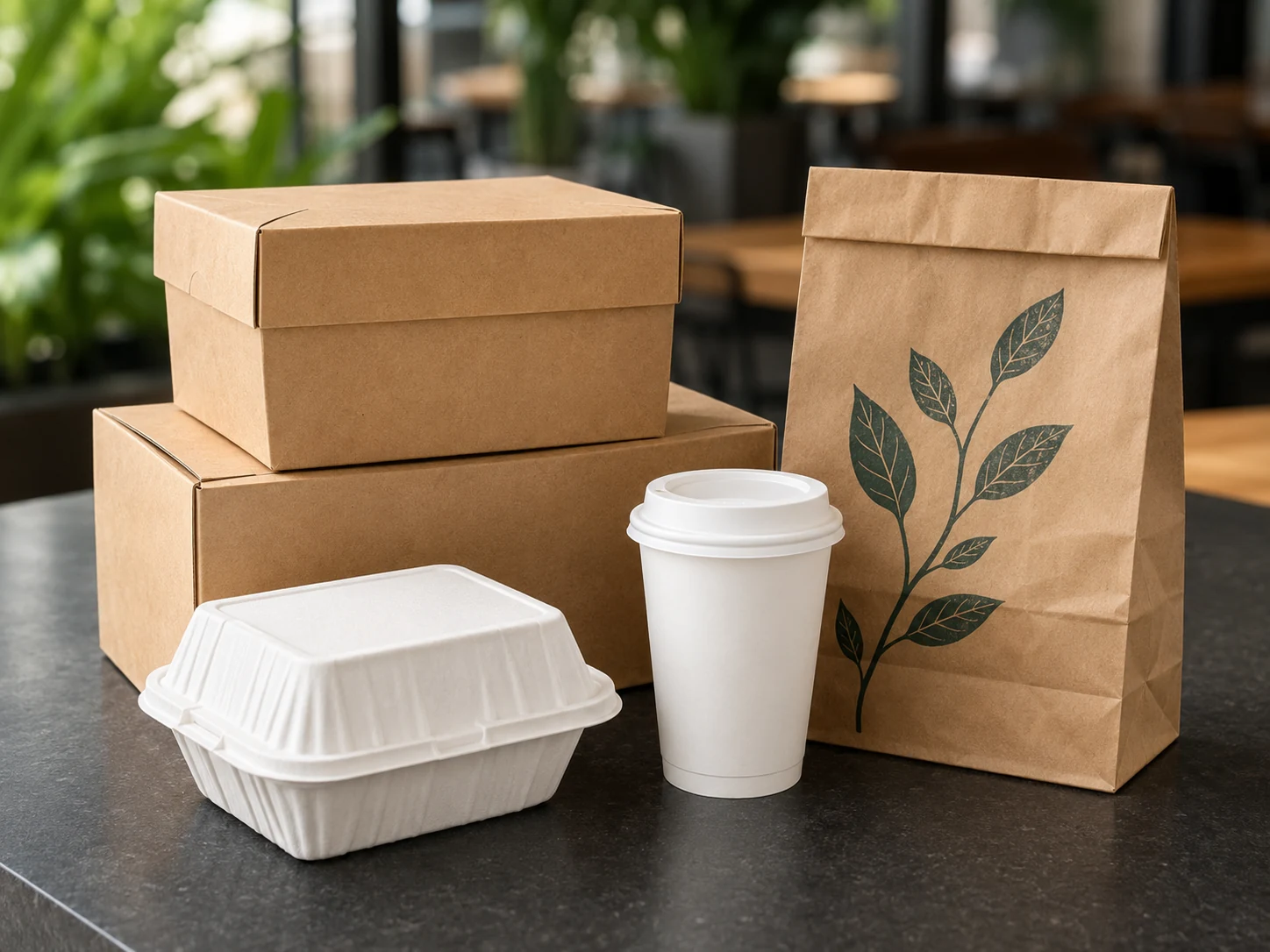
| Kraft paperboard | Appearance, thickness, folds, print coverage and exposure to oil or moisture. | Exact board grade, lining or barrier specification and a packed sample. |
| White paperboard | Print appearance, rigidity, closure and the food-facing surface. | Board specification and documentation applicable to the intended use. |
| Corrugated board | Flute, liner, packed weight and stacking or transport conditions. | Complete board construction, outer-carton details and relevant transit checks. |
| Liners, barriers & windows | Contact with hot, wet or oily food; separation and holding time. | Component specifications, use limitations and supporting documents for the destination market. |
Check claims against evidence
- Define the actual use
Specify food type, temperature, contact duration and whether food touches the printed board directly. Do not assume microwave, oven or freezer compatibility.
- Review documents for the exact product
Ask which specification and use conditions a document covers. A general company certificate is not proof that every packaging format meets your requirements.
- Qualify environmental statements
Recycling and composting depend on the complete construction and local facilities. Request evidence for the exact claim instead of assuming that all paper packs are recyclable or compostable.
Turn the intended use into a written specification
| Application | Details to put in the brief | Sample and document checks |
|---|---|---|
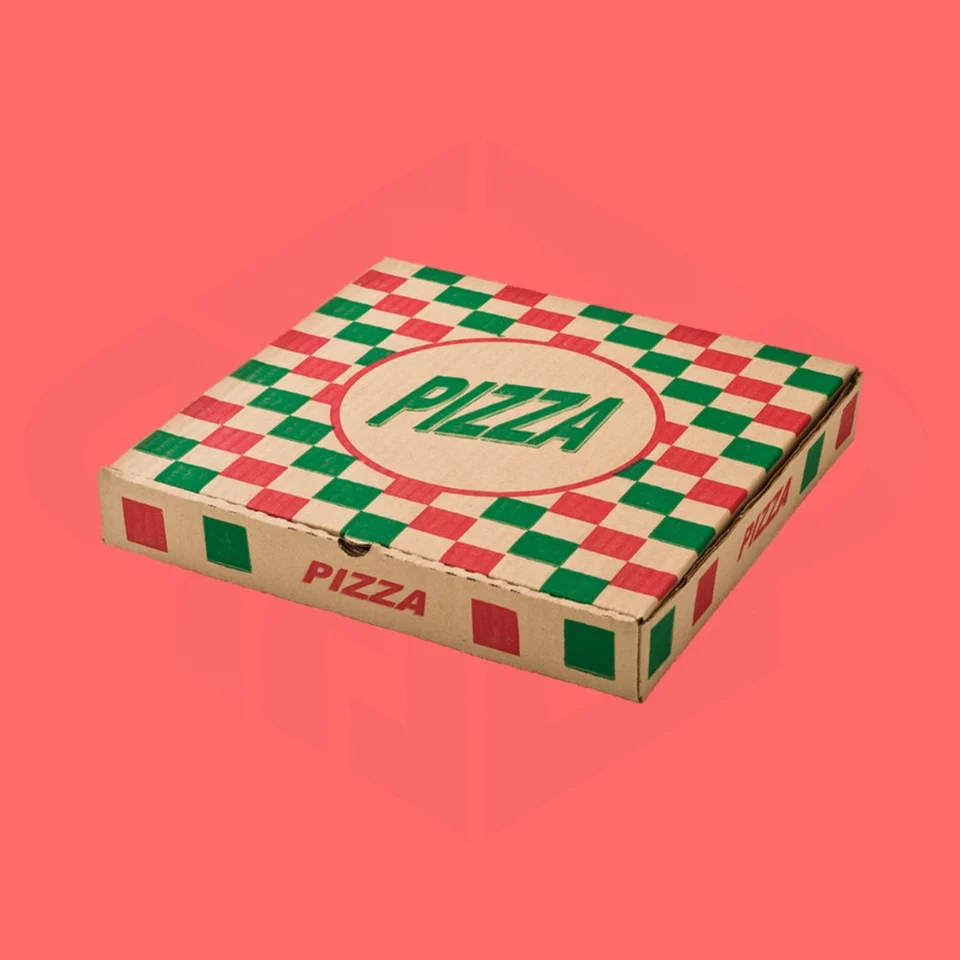
| Pizza and warm takeaway meals | Food-facing liner or board, oily or wet contents, packing temperature, holding time and delivery route. | Confirm the complete contact construction. Check grease, moisture, closure and stacking with the actual packed meal; do not infer a heat rating from the board name. |
| Dry bakery and gift assortments | Whether food is wrapped, where unwrapped food touches the pack, dividers and any window or adhesive. | Identify every food-facing component. Test fit and separation with the actual assortment rather than reusing a document for a different lined carton. |
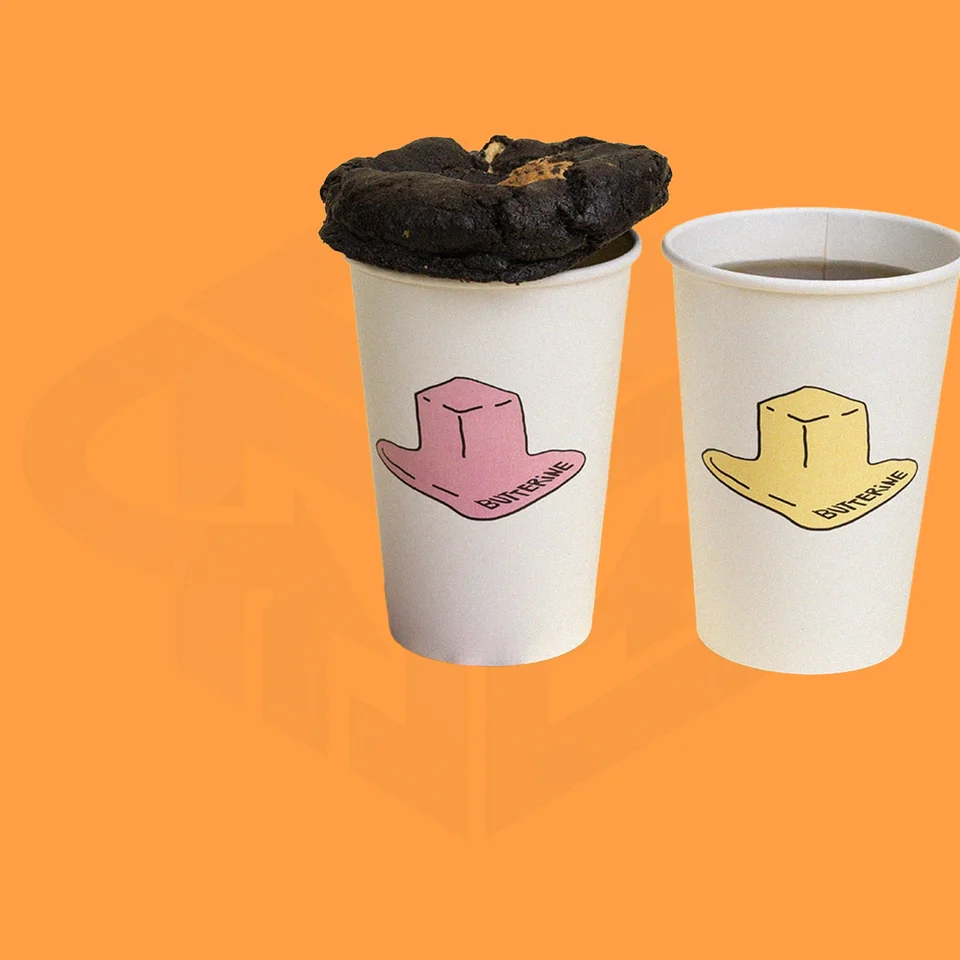
| Paper cups and beverage carriers | Separate the cup, lining and lid from the non-contact outer carrier. Specify the beverage and intended temperature and duration. | Review the cup and lid specification separately from handle balance and carrier fit. A carrier specification does not establish cup suitability. |
| Chilled or reheated food | Storage conditions, contact time and any planned reheating in the pack. | Ask for evidence covering the exact use. Do not assume freezer, microwave or oven compatibility; use another agreed pack if the proposed conditions cannot be supported. |
Match supporting documents to the pack
- Identify the specification
Record the carton or cup code, board or lining grade, food-facing components, supplier, document date and revision. Ask whether the document covers the finished article or only a raw material.
- Check the covered use
Compare the food type, time, temperature and destination with the stated scope and limitations. A report for a different lining or use condition is not interchangeable.
- Keep an approval record
Save the agreed dieline, component specification, relevant supporting documents and packed-sample observations together. Recheck the scope if the lining, adhesive, print or intended use changes.
Use the destination-market references correctly
For a United States project, review the FDA guidance on the regulatory status of food-contact components and food types and conditions of use. The relevant authorization and its limitations must match the component and intended use; these references are not an MXPACKPRO product certificate.
For an EU project, the European Commission explains the general food-contact framework and material-specific rules. Confirm which requirements apply to the complete construction and destination with the responsible compliance specialist. This buying checklist is not a declaration of compliance or legal assessment.
References checked on . Product-specific documentation and suitability remain subject to project confirmation.
Material ordering questions
Is kraft board automatically suitable for direct food contact?
No. The colour or material name does not establish suitability. Confirm the complete food-facing construction, the food type, contact time and temperature, and documentation for the intended destination and use.
Can one test report cover every box in my order?
Do not assume so. Check the product or material code, components, test scope, use conditions and limitations. Ask the supplier to explain which items and specifications the supporting documents cover before approval.
What should I send for a material recommendation?
Send the packed product dimensions and weight, whether food is wrapped, food type, packing and storage conditions, expected contact time, delivery country and any reheating plans. Mark unknown items so they can be reviewed before a quotation is confirmed.